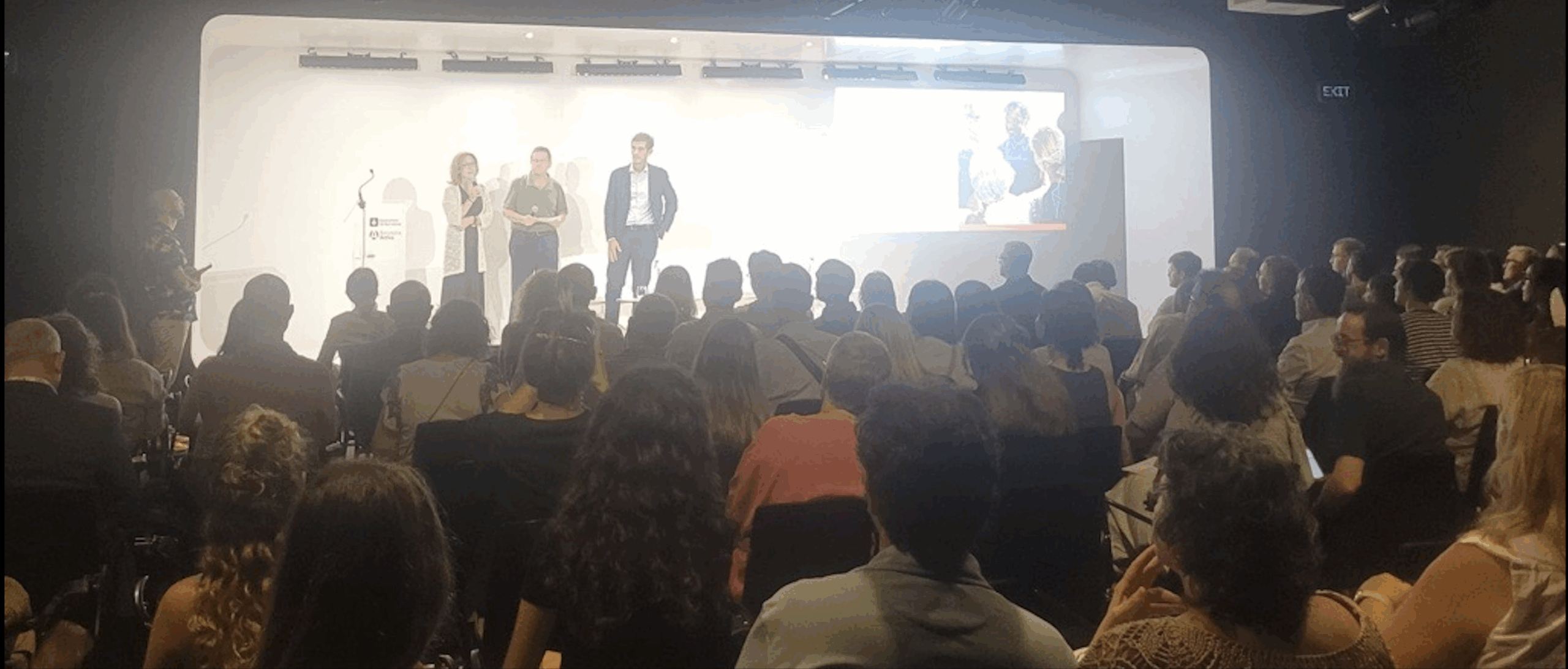
In this context, the session held on July 22nd, with a technological focus, had a dual objective. On the one hand, it aimed to showcase four tools that are already being introduced in different territories of Catalonia to integrate information from both the social and healthcare sectors. On the other hand, it sought to share knowledge and lessons learned with other regions that have not yet initiated integrated care processes, and to support them in their initial steps.
The four platforms presented represent ongoing initiatives in Central Catalonia (Manresa), Vall d’Aran, the Northern Metropolitan Region (Sabadell), and in the city of Barcelona, Osona, and Garrotxa. These tools were analysed from both a functional and interprofessional perspective, with particular attention to the needs of the people receiving care and the professionals who use them as end users. The technical discussions focused on aspects such as functionalities, usability, communication between professionals, and the practical use of available data.
Data governance: a key aspect
One of the strategic lines for the effective deployment of integrated care across the territory is the legal framework and data governance. This issue, addressed with particular care, involves close collaboration with ethics and bioethics committees to ensure that the data incorporated into information systems are interoperable and used securely, ethically, and responsibly.
In this regard, work is being done to establish a legal framework that regulates access to information systems by specific professional profiles, ensures compliance with permitted uses, and defines how data processing traceability must be maintained. As Concepció Barbeta, Head of Integrated Care at the Department of Social Rights and Inclusion and Director of the AISS Steering Team, highlighted: “The law that enables social and healthcare professionals to share information for care purposes was a first step. The current challenge is to ensure that this data is transmitted and shared correctly.”
For this reason, action protocols are being defined to ensure not only compliance with legal and ethical requirements but also data interoperability between entities in the Catalan Public Social Services Network and those belonging to the SISCAT system.
From a technological perspective, Joan Carles Contel, member of the Integrated Care and Chronicity Steering Team at the Department of Health, added that some datasets are already available through web servers that allow for comprehensive assessments and the design of Individualised Care Plans. However, he stressed that “they are still limited” and that the challenge is to incorporate additional data sources that provide a more comprehensive view of the individual. This should allow for the return of data to the central information systems of Social and Health Services and the generation of proactive interventions from these sectors with an integrated care perspective.
“As more datasets are aggregated, it will be possible to create shared dashboards and indicators, which will be useful for better guiding decision-making and care strategies,” concluded Joan Carles Contel.
The session ended with an open invitation to all territories to join this collaborative process and to continue working in a coordinated manner at both the operational and management levels, always keeping the person at the centre of the system.